


How does the Square Multifunctional Titanium Pot achieve rapid switching and stable temperature control between different cooking modes through precise temperature control technology?
Release Time : 2026-04-07
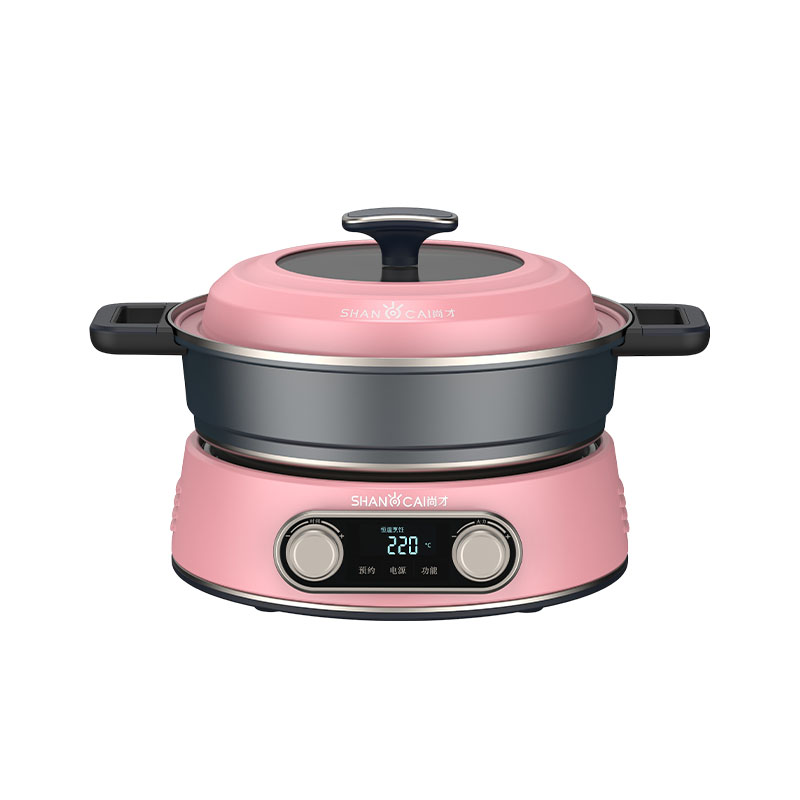
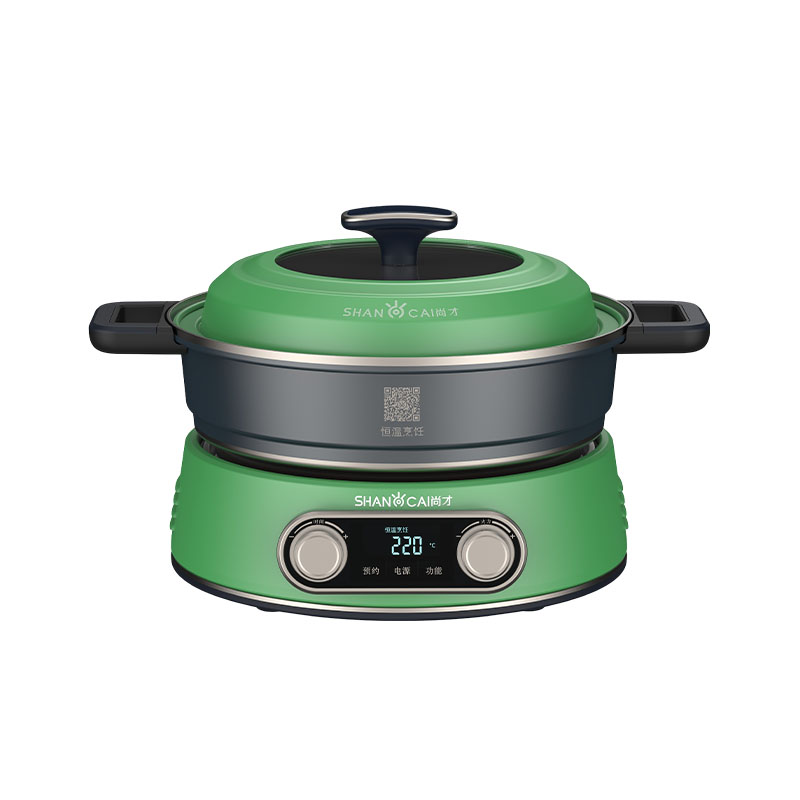
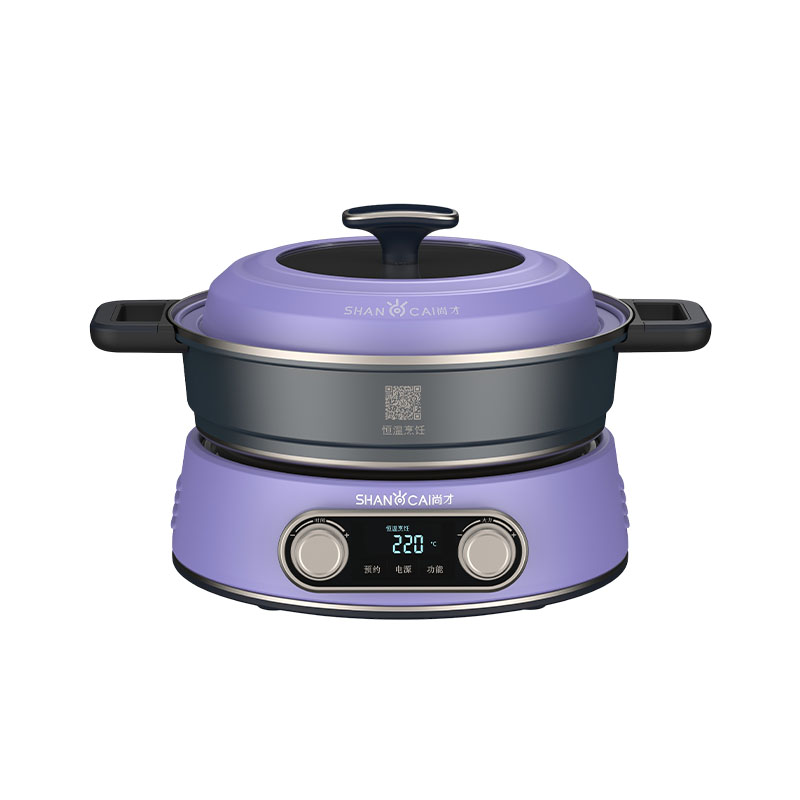
With the increasing intelligence of modern kitchen appliances, the Square Multifunctional Titanium Pot, with its precise temperature control and multi-mode cooking capabilities, is gradually becoming an important tool for home cooking. Compared to traditional cookware, it can not only perform multiple functions such as hot pot, steaming, and stewing, but also quickly switch between different cooking modes while maintaining temperature stability. This performance relies on the synergistic optimization of advanced temperature control technology and structural design.
1. Multi-point Temperature Sensing for Precise Control
The Square Multifunctional Titanium Pot is typically equipped with multiple temperature sensors distributed at key locations on the bottom and sides of the pot to monitor temperature changes in different areas in real time. This multi-point sensing method effectively avoids the deviation caused by single-point temperature measurement, allowing the control system to obtain more comprehensive thermal field information. When the user switches between different cooking modes, the system can quickly adjust the heating strategy according to the current temperature distribution, achieving rapid response and precise temperature control.
2. Intelligent Control Algorithms Improve Switching Efficiency
In the core control system, embedded algorithms play a crucial role. By pre-setting parameters for various cooking modes such as hot pot, steaming, and stewing, the system can automatically adjust the heating power output according to the target temperature and heating rate requirements. For example, in hot pot mode, rapid heating to boiling is required, while in stewing mode, a constant low temperature needs to be maintained. The intelligent algorithm dynamically adjusts the power curve to make mode switching smoother and avoid large temperature fluctuations.
3. High-efficiency heating structure ensures uniform temperature
Square titanium pots typically employ a high-efficiency heating plate and optimized heat conduction structure, enabling rapid and even heat transfer to all areas of the pot. Titanium itself has good corrosion resistance and stability, and is not easily deformed under high temperatures. Simultaneously, the composite heat-conducting layer design compensates for titanium's relatively low thermal conductivity. This structural design ensures uniform temperature distribution within the pot under different cooking modes, thereby improving overall temperature control.
4. Power adjustment and feedback mechanism achieves stable temperature
To achieve stable temperature control, the system typically employs a closed-loop control mechanism, which continuously corrects the heating power through real-time temperature feedback. When the temperature approaches the set value, the power output is automatically reduced to avoid overshoot; when the temperature drops, heat is promptly added. This dynamic adjustment method allows the pot to maintain the target temperature range for extended periods, making it particularly suitable for stewing or keeping warm where constant temperature is required.
5. Water Boiling Recognition Assists in Intelligent Mode Switching
During hot pot or cooking, the water boiling recognition function serves as a crucial aid. The system monitors the rate of temperature change or bubble characteristics to determine if the water has reached a boiling point and automatically switches to keep-warm or constant-temperature mode. This not only avoids energy waste caused by continuous high-power heating but also prevents overflow or over-boiling, improving safety and the cooking experience.
In summary, the square multifunctional titanium pot achieves rapid switching and stable temperature control between different cooking modes through multi-point temperature sensing, intelligent control algorithms, a high-efficiency heating structure, and a closed-loop adjustment mechanism. This technological integration not only improves cooking efficiency but also provides users with a more convenient and intelligent kitchen experience.
1. Multi-point Temperature Sensing for Precise Control
The Square Multifunctional Titanium Pot is typically equipped with multiple temperature sensors distributed at key locations on the bottom and sides of the pot to monitor temperature changes in different areas in real time. This multi-point sensing method effectively avoids the deviation caused by single-point temperature measurement, allowing the control system to obtain more comprehensive thermal field information. When the user switches between different cooking modes, the system can quickly adjust the heating strategy according to the current temperature distribution, achieving rapid response and precise temperature control.
2. Intelligent Control Algorithms Improve Switching Efficiency
In the core control system, embedded algorithms play a crucial role. By pre-setting parameters for various cooking modes such as hot pot, steaming, and stewing, the system can automatically adjust the heating power output according to the target temperature and heating rate requirements. For example, in hot pot mode, rapid heating to boiling is required, while in stewing mode, a constant low temperature needs to be maintained. The intelligent algorithm dynamically adjusts the power curve to make mode switching smoother and avoid large temperature fluctuations.
3. High-efficiency heating structure ensures uniform temperature
Square titanium pots typically employ a high-efficiency heating plate and optimized heat conduction structure, enabling rapid and even heat transfer to all areas of the pot. Titanium itself has good corrosion resistance and stability, and is not easily deformed under high temperatures. Simultaneously, the composite heat-conducting layer design compensates for titanium's relatively low thermal conductivity. This structural design ensures uniform temperature distribution within the pot under different cooking modes, thereby improving overall temperature control.
4. Power adjustment and feedback mechanism achieves stable temperature
To achieve stable temperature control, the system typically employs a closed-loop control mechanism, which continuously corrects the heating power through real-time temperature feedback. When the temperature approaches the set value, the power output is automatically reduced to avoid overshoot; when the temperature drops, heat is promptly added. This dynamic adjustment method allows the pot to maintain the target temperature range for extended periods, making it particularly suitable for stewing or keeping warm where constant temperature is required.
5. Water Boiling Recognition Assists in Intelligent Mode Switching
During hot pot or cooking, the water boiling recognition function serves as a crucial aid. The system monitors the rate of temperature change or bubble characteristics to determine if the water has reached a boiling point and automatically switches to keep-warm or constant-temperature mode. This not only avoids energy waste caused by continuous high-power heating but also prevents overflow or over-boiling, improving safety and the cooking experience.
In summary, the square multifunctional titanium pot achieves rapid switching and stable temperature control between different cooking modes through multi-point temperature sensing, intelligent control algorithms, a high-efficiency heating structure, and a closed-loop adjustment mechanism. This technological integration not only improves cooking efficiency but also provides users with a more convenient and intelligent kitchen experience.