


What design features distinguish a high-end multifunctional titanium pot as a versatile appliance for both high-heat searing and low-heat slow cooking?
Release Time : 2026-05-07
The evolution of modern kitchenware has moved beyond simple containment and heating. Today, the high-end cooking pot is expected to be a precision instrument, capable of navigating the vast thermal landscape of culinary arts. From the aggressive, high-temperature demands of searing a steak to the delicate, controlled warmth required for slow-cooking a ragù, a single vessel must perform with equal competence. The multifunctional titanium pot has emerged as the apex of this engineering challenge. By leveraging the unique physical properties of titanium and integrating sophisticated design elements, these pots distinguish themselves as the ultimate versatile appliance, bridging the gap between durability, safety, and thermal performance.
The Material Foundation: Inertness and Strength
The primary distinction of a high-end titanium pot lies in its core material. Titanium, often celebrated in the aerospace and medical industries for its strength-to-weight ratio and biocompatibility, offers distinct advantages in the kitchen. Unlike aluminum, which can react with acidic foods, or cast iron, which requires seasoning to prevent rust, titanium is chemically inert. This biological compatibility ensures that the pot does not leach heavy metals or react with ingredients, preserving the pure flavor profile of the food.
However, pure titanium has a relatively low thermal conductivity compared to aluminum or copper. To overcome this physical limitation, high-end manufacturers employ a multi-layer composite design. This is the first critical feature: the integration of a high-conductivity core. A premium titanium pot is rarely a single sheet of metal; rather, it is a sandwich of materials. The inner layer is pure titanium, providing a non-reactive cooking surface. The core is typically a thick sheet of aluminum or copper, responsible for rapid and even heat distribution. The outer layer is often magnetic stainless steel, ensuring compatibility with induction cooktops. This tri-ply or multi-ply construction is the foundation that allows the pot to function effectively across different heat settings.
Mastering High Heat: Thermal Stability and Dry Searing
Searing requires a cooking vessel that can withstand and maintain high temperatures without degrading. A distinguishing feature of a high-end titanium pot is its ability to handle extreme heat without the risk of coating failure. Traditional non-stick pans rely on polytetrafluoroethylene (PTFE) coatings, which begin to decompose and release toxic fumes at temperatures exceeding 260°C. Titanium, conversely, is stable at much higher temperatures, often exceeding 600°C without structural compromise or chemical release.
This thermal stability enables "dry searing" or high-heat frying without the anxiety of damaging the pan. The design often incorporates a textured surface, sometimes achieved through physical vapor deposition (PVD) or laser etching. These microscopic peaks and valleys reduce the surface area in contact with the food, creating a physical non-stick effect that improves as the pan heats up. When searing meat, this texture allows for the Maillard reaction—the browning of proteins—to occur rapidly while preventing the food from bonding to the metal. The pot’s ability to endure the "thermal shock" of adding cold liquid to a hot pan without warping is another hallmark of high-grade titanium engineering, ensuring the base remains perfectly flat for consistent contact with the heat source.
Precision at Low Heat: The Constant Temperature Dynamic
While high heat demands stability, low heat demands control. Slow cooking and simmering require a pot that can distribute heat gently and evenly, eliminating hot spots that could scorch delicate sauces or dairy-based dishes. The "constant temperature" aspect of these pots is achieved through the aforementioned aluminum or copper core, which acts as a thermal flywheel. Once the pot reaches the desired temperature, the conductive core holds and distributes that heat uniformly across the entire cooking surface, even if the burner cycles on and off.
To further enhance low-heat performance, high-end titanium pots often feature a "waterless" or steam-seal design. This involves a rim design that allows a heavy, domed lid to sit with extreme precision. When cooking at low temperatures, the moisture from the food rises, hits the cool dome of the lid, and condenses back down onto the food. This creates a closed-loop convection system. The result is a cooking environment where the temperature remains constant and low, allowing vegetables to cook in their own juices and meats to braise until tender without the addition of excess water or oil. This design feature transforms the pot into a nutrient-retention chamber, a key selling point for health-conscious consumers.
Ecosystem and Ergonomics: The Multifunctional Aspect
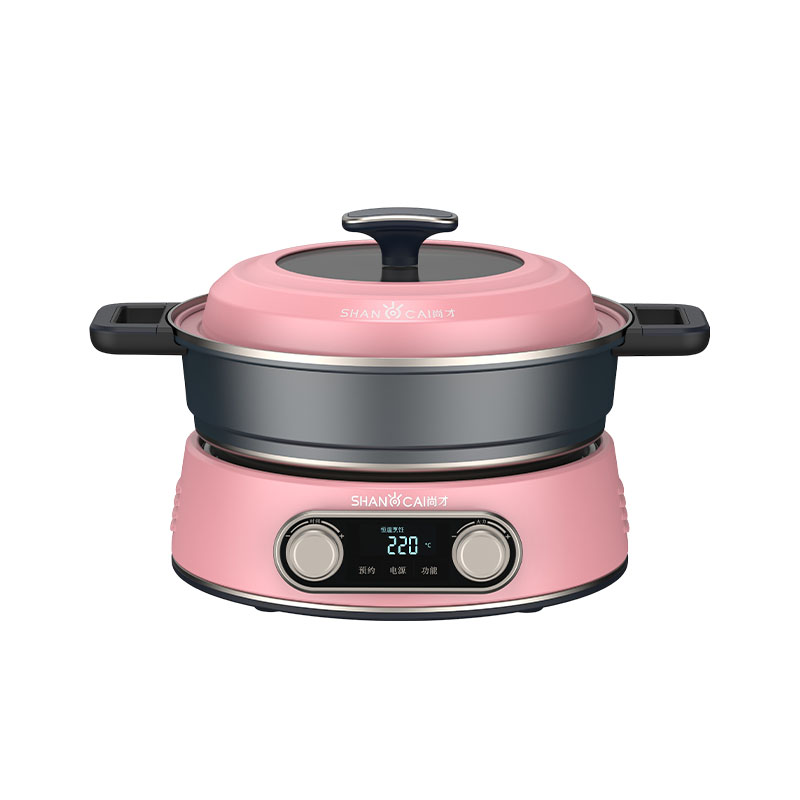
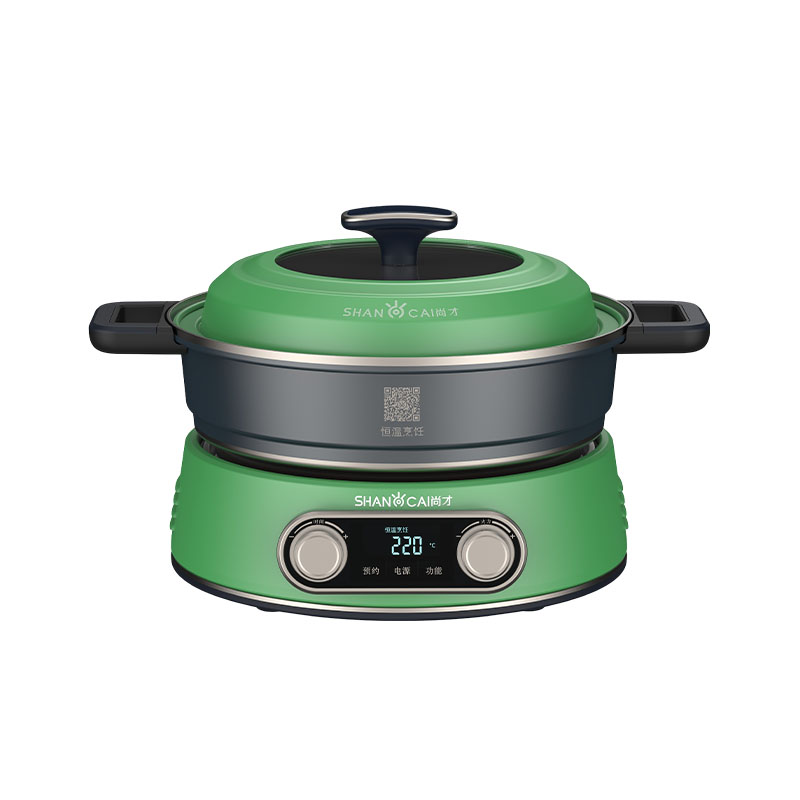
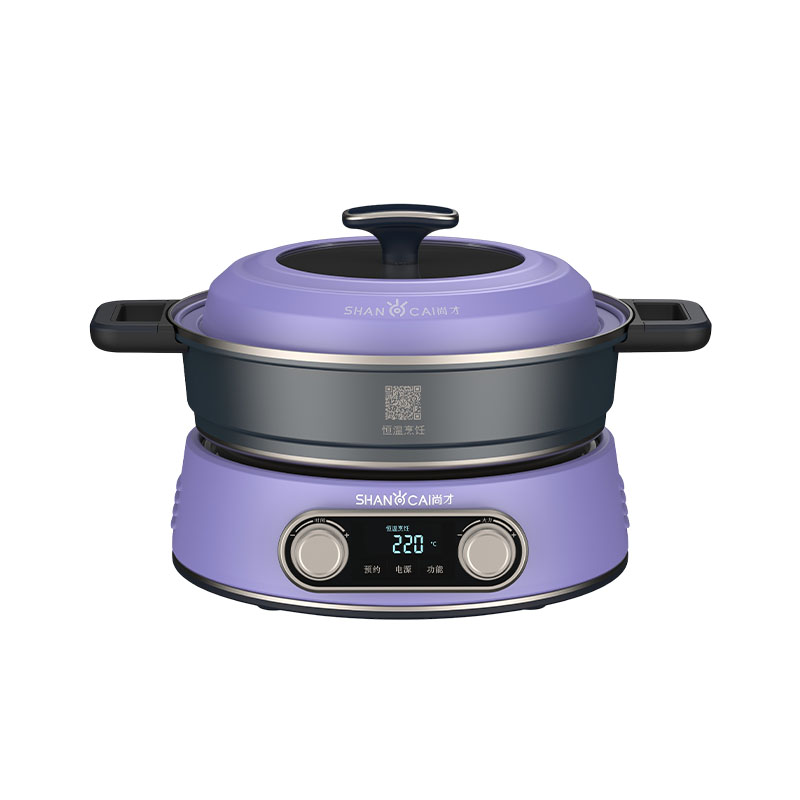
The "multifunctional" label is often justified by the ecosystem surrounding the pot. A high-end titanium pot is rarely just a pot; it is a system. The design usually includes a steamer basket insert, allowing the vessel to double as a steamer for dumplings or vegetables. The lid is often designed to double as a frying pan, featuring a flat bottom and a secondary handle. This modularity reduces kitchen clutter and increases the appliance's utility.
Ergonomics also play a vital role in the design. Despite the density of the metal layers, titanium is significantly lighter than stainless steel or cast iron. A large-capacity pot (e.g., 5 liters) remains manageable for the user. The handles are designed with heat-resistant materials, often featuring "cool-touch" technology or thermally insulating inserts like bakelite or silicone, ensuring safety when handling the vessel during high-heat maneuvers.
The high-end multifunctional titanium pot distinguishes itself through a synthesis of material science and thermal engineering. It solves the paradox of cooking by offering the thermal mass required for searing and the gentle conductivity required for slow cooking, all wrapped in a chemically inert, lightweight, and durable package. By eliminating the need for chemical coatings and utilizing the natural strength of titanium, these pots offer a "lifetime" solution to the culinary demands of the modern kitchen, proving that versatility and performance can coexist in a single, elegant vessel.
The Material Foundation: Inertness and Strength
The primary distinction of a high-end titanium pot lies in its core material. Titanium, often celebrated in the aerospace and medical industries for its strength-to-weight ratio and biocompatibility, offers distinct advantages in the kitchen. Unlike aluminum, which can react with acidic foods, or cast iron, which requires seasoning to prevent rust, titanium is chemically inert. This biological compatibility ensures that the pot does not leach heavy metals or react with ingredients, preserving the pure flavor profile of the food.
However, pure titanium has a relatively low thermal conductivity compared to aluminum or copper. To overcome this physical limitation, high-end manufacturers employ a multi-layer composite design. This is the first critical feature: the integration of a high-conductivity core. A premium titanium pot is rarely a single sheet of metal; rather, it is a sandwich of materials. The inner layer is pure titanium, providing a non-reactive cooking surface. The core is typically a thick sheet of aluminum or copper, responsible for rapid and even heat distribution. The outer layer is often magnetic stainless steel, ensuring compatibility with induction cooktops. This tri-ply or multi-ply construction is the foundation that allows the pot to function effectively across different heat settings.
Mastering High Heat: Thermal Stability and Dry Searing
Searing requires a cooking vessel that can withstand and maintain high temperatures without degrading. A distinguishing feature of a high-end titanium pot is its ability to handle extreme heat without the risk of coating failure. Traditional non-stick pans rely on polytetrafluoroethylene (PTFE) coatings, which begin to decompose and release toxic fumes at temperatures exceeding 260°C. Titanium, conversely, is stable at much higher temperatures, often exceeding 600°C without structural compromise or chemical release.
This thermal stability enables "dry searing" or high-heat frying without the anxiety of damaging the pan. The design often incorporates a textured surface, sometimes achieved through physical vapor deposition (PVD) or laser etching. These microscopic peaks and valleys reduce the surface area in contact with the food, creating a physical non-stick effect that improves as the pan heats up. When searing meat, this texture allows for the Maillard reaction—the browning of proteins—to occur rapidly while preventing the food from bonding to the metal. The pot’s ability to endure the "thermal shock" of adding cold liquid to a hot pan without warping is another hallmark of high-grade titanium engineering, ensuring the base remains perfectly flat for consistent contact with the heat source.
Precision at Low Heat: The Constant Temperature Dynamic
While high heat demands stability, low heat demands control. Slow cooking and simmering require a pot that can distribute heat gently and evenly, eliminating hot spots that could scorch delicate sauces or dairy-based dishes. The "constant temperature" aspect of these pots is achieved through the aforementioned aluminum or copper core, which acts as a thermal flywheel. Once the pot reaches the desired temperature, the conductive core holds and distributes that heat uniformly across the entire cooking surface, even if the burner cycles on and off.
To further enhance low-heat performance, high-end titanium pots often feature a "waterless" or steam-seal design. This involves a rim design that allows a heavy, domed lid to sit with extreme precision. When cooking at low temperatures, the moisture from the food rises, hits the cool dome of the lid, and condenses back down onto the food. This creates a closed-loop convection system. The result is a cooking environment where the temperature remains constant and low, allowing vegetables to cook in their own juices and meats to braise until tender without the addition of excess water or oil. This design feature transforms the pot into a nutrient-retention chamber, a key selling point for health-conscious consumers.
Ecosystem and Ergonomics: The Multifunctional Aspect
The "multifunctional" label is often justified by the ecosystem surrounding the pot. A high-end titanium pot is rarely just a pot; it is a system. The design usually includes a steamer basket insert, allowing the vessel to double as a steamer for dumplings or vegetables. The lid is often designed to double as a frying pan, featuring a flat bottom and a secondary handle. This modularity reduces kitchen clutter and increases the appliance's utility.
Ergonomics also play a vital role in the design. Despite the density of the metal layers, titanium is significantly lighter than stainless steel or cast iron. A large-capacity pot (e.g., 5 liters) remains manageable for the user. The handles are designed with heat-resistant materials, often featuring "cool-touch" technology or thermally insulating inserts like bakelite or silicone, ensuring safety when handling the vessel during high-heat maneuvers.
The high-end multifunctional titanium pot distinguishes itself through a synthesis of material science and thermal engineering. It solves the paradox of cooking by offering the thermal mass required for searing and the gentle conductivity required for slow cooking, all wrapped in a chemically inert, lightweight, and durable package. By eliminating the need for chemical coatings and utilizing the natural strength of titanium, these pots offer a "lifetime" solution to the culinary demands of the modern kitchen, proving that versatility and performance can coexist in a single, elegant vessel.